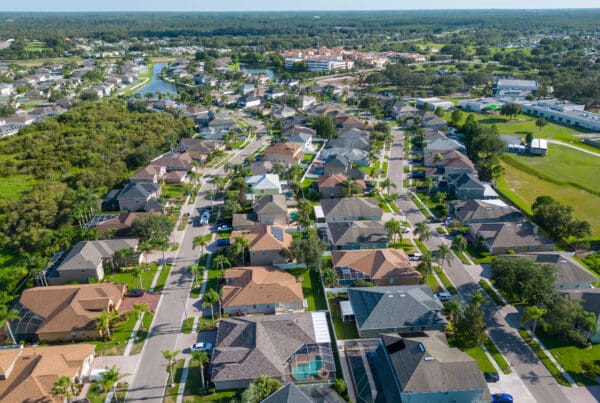

Personal umbrella insurance gives you an extra layer of liability protection that sits on top of your home, auto, boat, and other personal policies.
Court verdicts have climbed sharply over the past five years, and seven-figure jury awards now appear in routine auto and premises liability cases. A single at-fault accident can drain decades of savings if your underlying liability limits run out first. Personal umbrella insurance remains the most cost-effective way to protect everything you have built.
This guide answers every major question buyers ask before they call a licensed agent from SandStone, including what umbrella covers, what it does not cover, what it costs, who needs it, and how to figure out the right limit for your household.
What is personal umbrella insurance?
Personal umbrella insurance is extra liability coverage that pays out after the liability limits on your underlying home, auto, recreational vehicle, or watercraft policies run out. Most personal umbrella policies start at ~$1 million and stack up to $10 million or more in additional protection. Because umbrella sits on top of other coverage, it only pays after the underlying policy hits its limit, which keeps the cost low relative to the protection it provides.
A licensed agent from SandStone Insurance Partners can size your umbrella to match your assets, your future income, and your specific household exposures.
What does personal umbrella insurance cover?
Personal umbrella insurance covers six broad categories of liability that go beyond what your home or auto policy alone will pay.
-
Bodily injury liability. Medical bills, lost wages, and pain and suffering you owe to someone you injure in a covered event, like an at-fault auto accident or a slip-and-fall at your home.
-
Property damage liability. Repair or replacement costs for someone else’s damaged property, such as another vehicle, a neighbor’s fence, or a building you collide with.
-
Personal injury liability. Claims like libel, slander, defamation, false arrest, malicious prosecution, and invasion of privacy. This category has grown sharply with social media use.
-
Legal defense costs. Attorney fees, court costs, and expert witness fees, usually paid in addition to your policy limit rather than reducing it.
-
Liability away from home. Incidents that happen while you travel, boat, rent vacation property, or visit other locations.
-
Family member liability. Acts by your spouse, dependent children, and other household members listed on the policy, including teen drivers.
SandStone’s licensed agents review named exposures on your application before recommending limits.
What does personal umbrella insurance NOT cover?
Personal umbrella insurance does not cover damage to your own property, your own injuries, intentional or criminal acts, business activities, or losses already excluded by your underlying policies. The most common exclusions look like this:
-
Damage to your own home, vehicles, or belongings, which fall under your underlying property and physical damage coverages
-
Your own bodily injuries, which fall under health, MedPay, PIP, or workers’ compensation
-
Intentional or criminal acts by anyone covered under the policy
-
Business and professional activities, which require commercial umbrella, BOP, or professional liability coverage
-
Contractual liability beyond what tort law would impose
-
Punitive damages in certain states (varies by state law)
-
Workers’ compensation injuries to household employees, which typically need a separate policy
A licensed agent from SandStone can identify these gaps and recommend stand-alone policies for exposures that umbrella will not pick up.
How much does personal umbrella insurance cost?
Your umbrella premium depends on factors such as:
-
The number of vehicles, drivers, homes, and recreational toys in your household
-
Driving records of every covered family member, including teens
-
Whether you own a pool, trampoline, dog, boat, or other higher-risk feature
-
Your underlying liability limits (carriers require certain minimums to qualify)
-
Your prior claims history
-
The carrier and the state
Households in Florida, Georgia, and South Carolina see slightly higher umbrella pricing than the national average because of higher auto liability frequency and severity in those states. Even so, umbrella remains the cheapest dollar of liability protection most families can buy. SandStone’s independent agents can work with multiple umbrella carriers to find the best combination of price, limit, and underwriting fit.
How much umbrella insurance do I need?
Most insurance experts recommend umbrella limits that at least equal your total net worth plus a reasonable estimate of your future earnings exposure. A licensed agent from SandStone can run an asset and exposure analysis to recommend the right limit and pressure-test it against realistic loss scenarios.
Who needs personal umbrella insurance?
You should consider personal umbrella insurance if any of the following apply:
-
You own a home, especially one with a pool, trampoline, dog, or other “attractive nuisance”
-
You have teen or young adult drivers in your household
-
You own rental property, a vacation home, or a short-term rental
-
You own a boat, jet ski, ATV, snowmobile, or other recreational vehicle
-
You hold a job or social position that raises your visibility (executive, physician, attorney, public official, content creator, coach, board member)
-
Your household net worth exceeds $250,000
-
A wage garnishment would seriously affect your finances
-
You volunteer as a board member, coach, or PTA officer
-
You frequently host parties, weddings, or events at your home
If two or more of these apply, contact a licensed agent from SandStone for a quote.
What are the requirements to qualify for an umbrella policy?
To qualify for a personal umbrella policy, you must carry minimum liability limits on your underlying home and auto policies. Carriers also evaluate the household’s driving records, claims history, and risk features like specific dog breeds, swimming pools, trampolines, and short-term rental activity. SandStone’s licensed agents handle the underwriting requirements and help identify carriers that fit your profile when another carrier declines.
Personal umbrella vs commercial umbrella: What is the difference?
Personal umbrella covers your personal life: your home, your vehicles, your family members, and your personal liability exposures. Commercial umbrella covers your business: company-owned vehicles, your storefront or office, employees acting in the scope of work, and contractual obligations.
Business owners often need both. A personal umbrella protects family assets when you cause a weekend boating accident, and a commercial umbrella protects business assets when an employee causes a delivery van crash. SandStone’s service team coordinates both programs so you do not overpay for the same exposure or leave a gap between the two policies.
Common myths about personal umbrella insurance
Myth: “I do not have enough to be sued.” Plaintiffs can attach future wages, retirement accounts in many states, and assets you accumulate after a judgment. You do not need current wealth to be sued, you need assets the plaintiff can pursue, and that list includes your future income.
Myth: “My auto policy already has high limits.” Even a $500,000 auto liability limit does not stretch far in modern injury cases involving permanent disability, lifetime medical needs, or wrongful death. Umbrella adds a meaningful zero behind your primary limit.
Myth: “Umbrella is only for the wealthy.” Umbrella premiums start near ~$200 per year and protect average households against six and seven-figure judgments that would otherwise wipe them out.
Myth: “My HOA or business policy already protects me.” HOA, BOP, and similar policies do not extend to personal exposures like a family auto accident or a guest injury at your home. Only personal umbrella covers that risk.
A licensed agent from SandStone can stress-test your current coverage against realistic loss scenarios from your specific lifestyle.
How to buy personal umbrella insurance from SandStone
Getting an umbrella quote from SandStone takes three steps:
-
Submit your information through the SandStone website, by calling your nearest SandStone office, or by emailing service@sandstoneins.com. Have your auto and home declarations pages handy so you can confirm primary limits.
-
Review options with a licensed agent from SandStone who explores quotes from multiple carriers, identifies the right limit, and confirms you meet underlying coverage requirements.
-
Bind coverage the same day if your underlying limits already qualify, or update your home and auto first if increases are needed before umbrella will issue.
SandStone serves households across Florida, Georgia, and South Carolina, with deep experience in coastal exposures, second homes, teen driver programs, and high-net-worth coverage placements.
Personal Umbrella Insurance FAQs
What is the cheapest personal umbrella policy?
The cheapest personal umbrella policies start around $200 per year, available through most carriers when you bundle home and auto. Bundling typically lowers cost substantially compared to a stand-alone umbrella, and SandStone’s licensed agents quote both bundled and stand-alone options.
How is umbrella insurance different from regular liability insurance?
Excess liability insurance is the underlying coverage on your home and auto policies, while umbrella sits on top and pays after that liability runs out. Umbrella also adds coverage types your primary policies may not include, like personal injury (libel, slander, defamation) and worldwide territory.
Does personal umbrella cover a lawsuit from a social media post?
Most personal umbrella policies include personal injury coverage that responds to libel, slander, and defamation claims from posts or comments online, although carriers exclude intentional acts and certain knowing falsehoods. A licensed agent from SandStone can confirm your specific policy form before you need it.
Will umbrella cover my teen driver’s at-fault accident?
Yes, your personal umbrella typically covers any household member listed on the underlying auto policy, including teen drivers, as long as the underlying auto policy responds first. Umbrella underwriting costs more when teen drivers live in the household, but the protection is essential during those years.
Does umbrella cover dog bites?
Most personal umbrella policies cover dog bite liability, although breed exclusions and individual underwriting decisions vary by carrier. SandStone’s licensed agents can determine if your dog breed is covered under your carrier’s requirements.
Can I get an umbrella policy without auto or home insurance?
You generally cannot. Personal umbrella requires underlying liability coverage to qualify, which is why most umbrella policies sit above an auto policy and a homeowners or renters policy that meet the required minimum limits.
How fast can I add an umbrella policy?
Most umbrella policies bind within 24 to 48 hours once underwriting clears. Contact a licensed agent from SandStone today to start the process and protect your assets before the next claim.
Does personal umbrella insurance cover rental properties?
Personal umbrella covers rental properties you own personally, as long as you have an underlying landlord (dwelling fire DP-3) or homeowners policy with required limits and the carrier accepts your rental activity. Short-term rental exposure (Airbnb, Vrbo) often requires special endorsements; SandStone’s licensed agents place this coverage with carriers that accept short-term rentals.
Is umbrella insurance tax-deductible?
Personal umbrella insurance is generally not tax-deductible because it covers personal liability, not business activity. The portion of any umbrella that covers a home office, rental property, or business pursuit may have a different treatment, and you should consult your CPA for personalized tax advice.
What happens if my umbrella limit is not enough?
If a judgment exceeds your umbrella limit, you owe the remaining amount personally, and the plaintiff can pursue your assets and future income. That outcome is why SandStone licensed agents recommend reviewing umbrella limits annually and stacking layers (excess umbrella) once you reach the top of standard markets.
Ready to protect everything you have built? Request a personal umbrella consultation with a licensed agent from SandStone or find your nearest SandStone office today.
Disclaimer: This blog provides general information and does not constitute personalized insurance, legal, or tax advice. Coverage details, premiums, and eligibility vary by state, carrier, and individual underwriting. For coverage specific to your household, contact a licensed agent from SandStone.