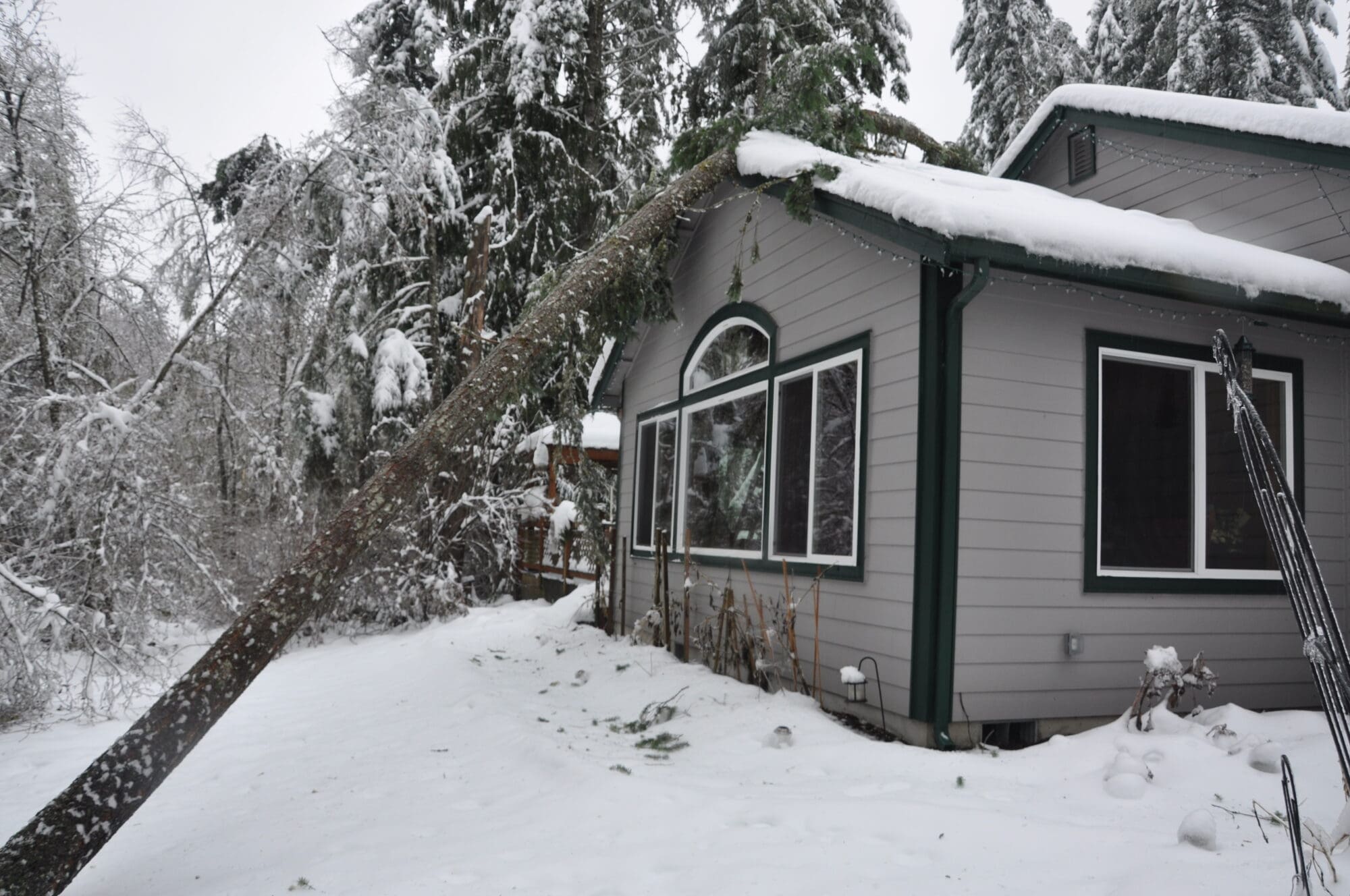
Severe winter storms across the Southeast have caused significant damage to homes due to freezing temperatures, ice accumulation, burst pipes, and power outages. After winter storm damage, homeowners should first ensure safety, document all damage, prevent further loss, and contact their insurance company promptly.
Whether your home experienced frozen pipes, water damage, roof issues, or other ice-related losses, taking the right steps after the storm can help protect your property and support a smooth insurance claims process.
Is It Safe to Inspect Your Home After a Winter Storm
Before assessing any damage, confirm that conditions are safe.
Safety Checks to Complete First
-
Avoid standing water near electrical outlets or panels.
-
Watch for ice, fallen branches, or unstable structures.
-
Confirm utilities are operating safely before resuming normal use.
If conditions remain hazardous, wait until it is safe or contact a professional for assistance.
How Should You Document Winter Storm Damage for Insurance
Thorough documentation is one of the most important steps after winter storm damage.
Take Photos and Videos Immediately
Capture clear photos and videos of all visible damage as soon as conditions allow, including:
-
Burst or leaking pipes
-
Water damage to ceilings, walls, floors, or cabinets
-
Ice-related roof damage
-
Damaged personal belongings
Document damage before moving or discarding items whenever possible.
Create a Written Inventory
Prepare a list of damaged items with approximate purchase dates and values. This is especially helpful for contents claims involving furniture, appliances, or electronics.
What Should You Do to Prevent Further Damage
Most Homeowners insurance policies require reasonable steps to prevent additional damage after a covered loss.
Temporary Repairs You Can Make
You may take immediate action to mitigate further loss, such as:
-
Shutting off the water supply
-
Removing standing water
-
Using fans or dehumidifiers
-
Applying temporary coverings
Keep receipts for any emergency repairs or mitigation efforts, as these costs may be reimbursable.
When Should You Contact Your Insurance Company After a Winter Storm
Claims should be reported as soon as possible.
How to File a Claim
Contact your insurance carrier directly or work with your insurance advisor to initiate the claim. Be prepared to provide:
-
The date and cause of loss
-
A description of the damage
-
Photos or videos
-
Your policy number
Following widespread winter storms across the Southeast, carriers often experience higher claim volume. Early reporting can help avoid delays.
What Happens During the Insurance Claims Process
Understanding the process helps set expectations.
Adjuster Review
Your carrier may assign an adjuster to inspect the damage in person or virtually. Avoid making permanent repairs until the inspection is complete, unless repairs are necessary to prevent further damage.
Coverage Considerations
Winter storm claims may involve multiple coverages, including:
-
Dwelling Coverage for structural damage
-
Personal Property coverage for belongings
-
Additional living expenses if your home is temporarily uninhabitable
Your advisor at SandStone Insurance Partners can help explain how your policy applies.
How Should You Organize Claim Records and Communication
Keeping records organized can prevent delays.
Documents to Save
Maintain copies of:
-
Claim numbers and adjuster contact information
-
Emails and letters from your carrier
-
Repair estimates and invoices
-
Receipts for temporary repairs or living expenses
Clear records support faster resolution.
How to Avoid Contractor and Repair Scams After Winter Storms
Storm events often attract fraudulent repair activity.
Choosing the Right Contractors
-
Avoid unsolicited repair offers.
-
Do not sign contracts under pressure.
-
Use licensed, reputable contractors.
-
Confirm carrier approval requirements before permanent repairs.
Why Working With an Insurance Advisor Matters
An experienced insurance advisor at SandStone Insurance Partners provides valuable support throughout the claims process.
How an Advisor Helps
-
Interprets policy language
-
Supports collaborative communication with the carrier
-
Helps resolve claim questions or disputes
-
Provides guidance during widespread weather events
Advocacy is especially important after regional storms impacting Georgia and surrounding states.
Reviewing Your Coverage After A Storm
Severe winter storms across the Southeast highlight how quickly unexpected weather events can impact homes and other personal assets. While no two losses are the same, having the right coverage in place before and after a storm can make a meaningful difference in recovery.
If you would like help reviewing your Homeowners Insurance coverage following recent winter weather or preparing for future events, our team of licensed insurance advisors can review your policy, explain how it responds to winter-related losses, and discuss any gaps or considerations based on your specific situation.
Disclaimer: Coverage terms, conditions, and exclusions vary by policy and insurer. The above material is for general educational purposes only and is not a substitute for professional insurance advice. The recommendation(s), advice, and contents of this material do not address every possible legal obligation, hazard, code violation, loss potential, or exception to best practice. SandStone Insurance Partners makes no warranty or representation that following any recommendations herein will render premises, property, or operations safe or legally compliant. Nothing in this material should be construed as establishing or confirming insurance coverage with SandStone Insurance Partners.